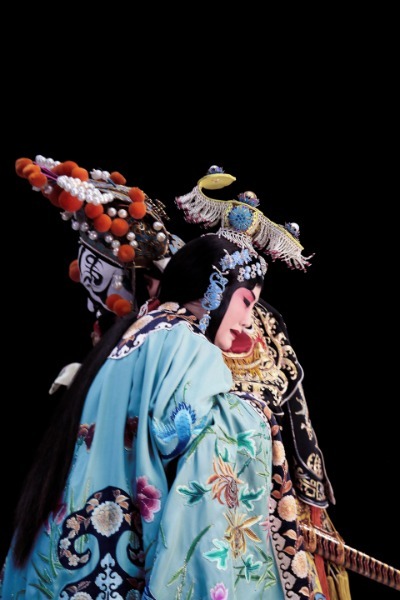
Farewell My Concubine
Introduction
Farewell My Concubine is an iconic Peking Opera that stands as one of the most famous pieces in the 200-year-old art form. The opera tells the poignant love story between Xiang Yu, the warlord of the Chu Kingdom, and his concubine, Yu Ji. The opera integrates various elements such as singing, dancing, martial arts, and acrobatics, capturing the hearts of audiences worldwide.
Historical Background
The opera was performed by renowned Peking Opera masters Yang Xiaolou and Shang Xiaoyun in Beijing in 1918. In 1922, Peking Opera master Mei Lanfang, renowned for his nandan roles (male actors performing female roles), also performed the opera, adding it to the repertoire of the "Mei school," a style he developed that became a hallmark of Peking Opera.
Cultural Significance
The story of Farewell My Concubine is rooted in Chinese historical tradition and showcases the depth of loyalty and love. Xiang Yu is a historical figure from the end of the Qin Dynasty (221-206 BC), known for his valiant efforts against the Han Dynasty (206 BC-AD 220). The opera dramatizes the intimate and tragic moments between Xiang Yu and Yu Ji on the eve of their final battle, highlighting Yu Ji's ultimate act of devotion.
Zhang Huoding's Adaptation
Peking Opera star Zhang Huoding's adaptation of Farewell My Concubine in the Cheng style represents a significant evolution of the classic. Zhang, trained by Peking Opera master Zhao Rongchen, continues the traditions of the "Cheng school," recognized for its interpretation of tragic female roles with frequent changes in rhythm. Zhang's adaptation involved collaboration with elder Peking Opera artist Gao Mukun and composer Wan Ruixing, ensuring the adaptation remains true to the original while infusing it with fresh dynamism.
Performance and Choreography
A key highlight of the opera is the sword dance, a creation initially popularized by Mei Lanfang, which Zhang Huoding masterfully re-choreographed. The sword dance encapsulates the emotional intensity of the opera, performed on the last night shared by Xiang Yu and Yu Ji before her tragic death. Zhang's adaptation of this scene is both elaborate and creative, showcasing her dedication to revitalizing the piece while respecting its historical roots.
Cultural Revitalization
Zhang Huoding's adaptation of Farewell My Concubine is part of a broader effort to revitalize Peking Opera and introduce it to new generations. Through initiatives and performances, Peking Opera artists aim to keep this traditional art form alive, engaging younger audiences and international fans. Efforts include educational programs, international tours, and innovative adaptations that maintain the opera's rich cultural heritage while appealing to contemporary tastes.
With its profound blend of historical depth, emotional narrative, and artistic excellence, Farewell My Concubine remains an enduring symbol of Chinese cultural legacy and an invaluable contribution to the world of performing arts.








